Business school professor Amy Edmondson studies “teaming,” where people come together quickly (often temporarily) to solve new, urgent, or unusual problems.
Recalling stories of teamwork on the fly, such as the incredible rescue of 33 miners trapped half a mile underground in Chile in 2010, Edmondson shares the elements needed to turn a group of strangers into a quick-thinking team that can nimbly respond to challenges.
Too many of us are raised to compete — spurring remarkable accomplishments but often impeding the collaboration and teamwork needed to address the world’s most pressing challenges.
To truly innovate, we must work together — across boundaries created by expertise, distance, and status. That’s the promise of teaming. So now, look around you.
Think about people whose knowledge and skills are different than yours. How quickly can you discover the treasures they bring, share what you bring, and then team up to make something impossible happen?
Too many of us are raised to compete — spurring remarkable accomplishments but often impeding the collaboration and teamwork needed to address the world’s most pressing challenges.
To truly innovate, we must work together — across boundaries created by expertise, distance, and status. That’s the promise of teaming. So now, look around you.
Think about people whose knowledge and skills are different than yours. How quickly can you discover the treasures they bring, share what you bring, and then team up to make something impossible happen?
Feel Free to Share
Competing and collaboration are contrasting approaches to interpersonal interactions, problem-solving, and achieving goals. Here are the key differences between them:
Goal Orientation:
Competing: In a competitive approach, individuals or groups aim to outperform others, often focusing on winning, achieving personal goals, or gaining a competitive advantage.
Collaboration: Collaboration involves working together towards a common goal. The emphasis is on collective success, mutual benefit, and finding solutions that satisfy the needs and objectives of all parties involved.
Communication Style:
Competing: Communication tends to be assertive and may involve persuasion, negotiation, or conflict. The focus is on advocating for one’s own ideas and interests.
Collaboration: Communication is open, transparent, and involves active listening. Participants share information, ideas, and perspectives to reach a consensus and achieve a shared goal.
Approach to Conflict:
Competing: Conflict is seen as inherent, and the goal is often to resolve it in a way that favors one’s own position, even if it means defeating others.
Collaboration: Conflict is viewed as an opportunity for growth and understanding. Collaborators work together to find win-win solutions that address the concerns and interests of all parties involved.
Decision-Making:
Competing: Decisions are often made unilaterally or with minimal input from others. The focus is on individual preferences or the interests of a specific group.
Collaboration: Decision-making involves consensus-building and incorporating the input of all stakeholders. The goal is to find solutions that are acceptable to everyone involved.
Relationship Building:
Competing: Relationships may be strained as individuals or groups focus on their own success, potentially at the expense of others.
Collaboration: Collaboration fosters positive relationships and builds trust among participants. The focus on shared goals and mutual respect contributes to stronger interpersonal connections.
Resource Allocation:
Competing: Resources may be allocated based on individual or group priorities, focusing on optimizing one’s position.
Collaboration: Resources are allocated based on the collective needs and priorities of all parties involved, with the goal of maximizing overall benefits.
In real-world scenarios, the choice between competing and collaborating depends on the context, the nature of the relationships, and the goals at hand. Different situations may require a mix of both approaches, with individuals and organizations adapting their strategies accordingly.
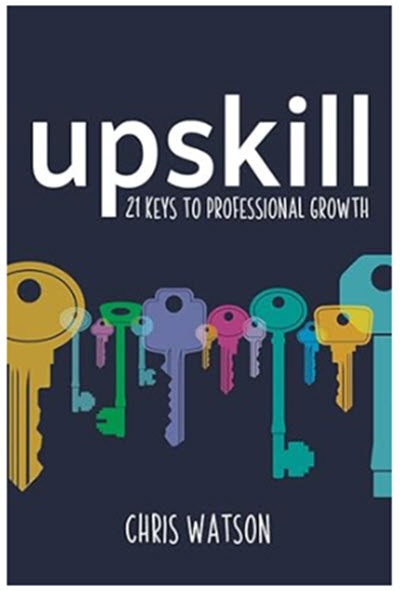
Brimming with punchy, practical ideas to improve your day-to-day effectiveness, Chris Watson’s Upskill: 21 keys to professional growth is the definitive guide to developing the adaptive skills essential for success at work.
No matter your goals, Atomic Habits offers a proven framework for improving – every day. James Clear, one of the world’s leading experts on habit formation, reveals practical strategies that will teach you exactly how to form good habits, break bad ones, and master the tiny behaviors that lead to remarkable results.
One of the most inspiring and impactful books ever written, The 7 Habits of Highly Effective People has captivated listeners for nearly three decades.
It has transformed the lives of presidents and CEOs, educators, and parents.
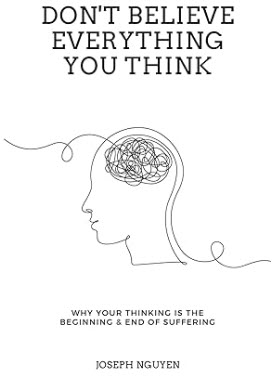
Learn how to overcome anxiety, self-doubt & self-sabotage without needing to rely on motivation or willpower.
In this book, you’ll discover the root cause of all psychological and emotional suffering and how to achieve freedom of mind to effortlessly create the life you’ve always wanted to live.
Feel Free to Share